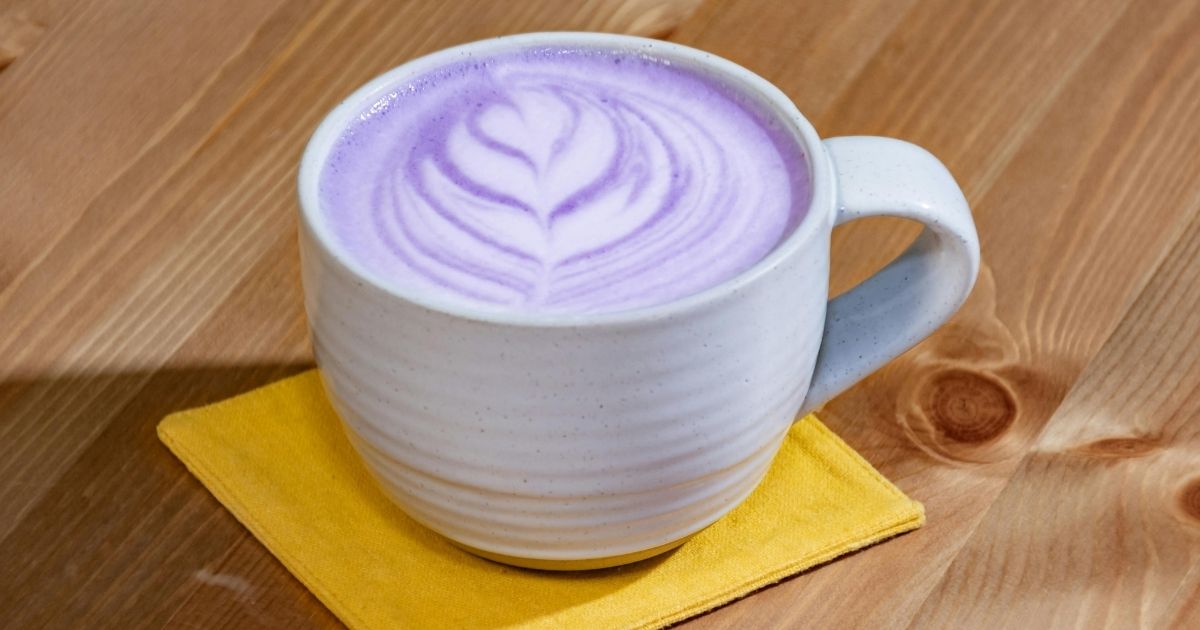
If you've seen a bright purple latte on Instagram and wondered what it is — that's ube. Pronounced "OO-beh," ube is a purple yam from the Philippines that's become the fastest-trending coffee ingredient of 2026. Starbucks launched two ube drinks this spring, independent shops are building entire menus around it, and coffee industry analysts at Perfect Daily Grind are calling it a potential "matcha-level" trend.
But ube isn't new — it's been a staple of Filipino cuisine for centuries. Here's what you need to know: what it actually tastes like, where it came from, every ube drink currently available at major chains, and whether the trend has real staying power.
What Ube Actually Is
Ube (Dioscorea alata) is a purple yam native to Southeast Asia, used most extensively in Filipino cooking. In the Philippines, ube is everywhere: ube halaya (a sweet jam), ube ice cream (a national favorite), ube pandesal (bread rolls), and halo-halo (a shaved ice dessert). It's been part of Filipino food culture for hundreds of years — long before it appeared on any Starbucks menu.
The vibrant purple color is 100% natural — it comes from anthocyanin pigments in the yam (the same compounds that make blueberries blue and red cabbage red). No artificial dyes needed, which is one reason the food and beverage industry embraced it so quickly.
Ube vs. Taro: They're Not the Same
This is the most common confusion. Ube and taro are different plants with different flavors:
| Attribute | Ube | Taro |
|---|---|---|
| Plant | Dioscorea alata (purple yam) | Colocasia esculenta (root vegetable) |
| Color | Vivid bright purple throughout | Light lavender/gray-purple with white specks |
| Flavor | Sweet, vanilla-like, nutty, creamy | Earthy, starchy, subtly sweet, nutty |
| Sweetness | Naturally sweeter | Less sweet, more savory-leaning |
| Origin | Philippines / Southeast Asia | Southeast Asia / Pacific Islands |
| Coffee use | Lattes, cold foam, syrups (2026 trend) | Bubble tea (long-standing) |
Many bubble tea shops label their drinks "taro" but use flavoring that tastes closer to ube (sweet, vanilla-like). If you've had a "taro milk tea" and loved it, you'll probably love ube lattes — the flavor profiles overlap but ube is sweeter and more dessert-forward.
What Ube Tastes Like in Coffee
Ube's flavor profile is what makes it work in coffee drinks: mildly sweet, vanilla-like, nutty, and creamy with no bitterness or earthiness. Think of it as a gentler, more interesting version of vanilla — it adds sweetness and visual drama without competing with coffee or espresso flavor.
In a latte, ube creates a drink that tastes like a light dessert — somewhere between a vanilla latte and sweet potato pie, but less heavy than either. The purple color creates an Instagram-ready layered effect when combined with milk or cold foam, which is why ube drinks perform so well on social media.
Every Ube Coffee Drink Available in 2026
At Starbucks
At Independent and Regional Shops
Ube has been on independent coffee shop menus since 2024, especially in cities with large Filipino communities (Los Angeles, San Francisco, Chicago, New York, Honolulu). Common formats include ube lattes (hot and iced), ube cold foam on cold brew, ube Frappuccino-style frozen drinks, and ube matcha lattes (the purple-green color contrast is dramatic). If you have a Filipino bakery or café near you, their ube drinks are likely more flavorful than the chain versions — they typically use real ube extract or halaya rather than flavored syrup.
At Dutch Bros and Dunkin'
Neither chain offers ube drinks as of March 2026. Dutch Bros' customizable flavor system means a broista could approximate an ube flavor using vanilla + coconut + a purple-adjacent flavor, but it wouldn't be authentic ube. Dunkin' hasn't announced ube plans. Given Starbucks' launch, both chains may follow by late 2026 — the same pattern that played out with pistachio and lavender.
The Cultural Story (And Why It Matters)
Ube's mainstream coffee adoption is part of a broader wave of Filipino flavors entering American food culture — alongside calamansi, pandan, and coconut jam (coco jam). For Filipino Americans, seeing ube at Starbucks is a complex moment: pride in cultural representation mixed with concern about commodification and authenticity.
Perfect Daily Grind noted that the ube trend raises questions about credit and context. When a major chain adopts an ingredient from a specific culture, the difference between "celebration" and "appropriation" often comes down to whether the origin story is told. Starbucks' marketing for the Iced Ube Coconut Macchiato mentions the Filipino heritage of ube — a positive sign compared to past ingredient adoptions where cultural context was ignored entirely.
The practical implication for you as a customer: if you try ube at Starbucks and enjoy it, consider also visiting a Filipino bakery or café where ube is made with traditional recipes and deeper cultural knowledge. The Starbucks version is a good introduction; the independent-shop version is the full experience.
Will Ube Last or Is It Just a Trend?
Lavender: Returns seasonally every spring since 2024. Popular but hasn't gone permanent — may stay seasonal for exclusivity.
Dubai Chocolate: Huge viral spike, now fading. Limited-time at Starbucks (Jan 2026), unlikely to become permanent.
Pistachio: Went from seasonal (2021) to permanent (2026). Strong staying power due to versatile flavor profile.
Ube (prediction): Best-case: follows the pistachio path (seasonal → permanent within 2 years). The flavor is versatile, the color is viral, and the ingredient has genuine cultural depth. Worst-case: follows the lavender path (returns annually but stays seasonal). Either way, ube is a multi-year presence, not a one-season flash.
The factors working in ube's favor: the color is naturally vibrant (Instagram/TikTok gold), the flavor is approachable (sweet, not challenging), there's a genuine cultural story to tell (Filipino heritage), and major chains are already investing (Starbucks has two ube drinks in its first season). The anthocyanin pigments also have antioxidant properties, which gives wellness-oriented marketing an angle.
The factors working against it: "purple yam" doesn't sound immediately appetizing to unfamiliar audiences, the authentic flavor can be hard to replicate in mass-market syrups, and supply chain scaling for real ube extract is challenging — most of the world's ube comes from the Philippines.
How to Try Ube If You've Never Had It
Start at Starbucks. The Iced Ube Coconut Macchiato is the most accessible entry point — it's available now, the ube flavor is mild (not overwhelming for newcomers), and the coconut cream pairing softens the unfamiliarity. It's limited time, so try it before it disappears (likely late April). See our spring 2026 guide for the full spring menu context.
Then go independent. After you've tried the Starbucks version, visit a Filipino bakery or specialty café for an ube latte made with real ube halaya or extract. The flavor difference is significant — richer, more complex, and more obviously "ube" rather than "coconut-vanilla with purple color."
If you love matcha, try ube matcha. Some independent shops make an "ube matcha latte" — ube on the bottom, matcha on top. The purple-green contrast is visually stunning and the earthy matcha + sweet ube flavor combination is surprisingly good. This isn't available at Starbucks but it's worth seeking out.
For the full picture of what matcha brings to coffee, see our matcha guide. For everything launching this spring including ube, lavender, and toasted coconut, see our seasonal calendar. And if you want to know whether the Iced Ube Coconut Macchiato matches your taste before you try it, Sipory can tell you — based on your flavor preferences, with the order script ready to go. Free to download.
Frequently Asked Questions
What does ube taste like?
Mildly sweet, nutty, and vanilla-like — similar to a cross between sweet potato, taro, and white chocolate. It's subtle and creamy, which is why it pairs well with milk-based coffee drinks. Not earthy or savory.
What is ube exactly?
Ube (pronounced "OO-beh") is a purple yam (Dioscorea alata) native to the Philippines. It's been a staple in Filipino desserts for centuries. The vibrant purple color is natural — from anthocyanin pigments, not artificial dye.
What Starbucks drinks have ube?
As of March 2026: Iced Ube Coconut Macchiato (available now, limited time) and Iced Ube Coconut Cream Shaken Espresso (launching April 7). Both feature ube coconut cream.
Is ube the same as taro?
No. Ube is a vibrant purple yam with a sweet, vanilla-like flavor. Taro is a starchy root with a grayish-purple interior and earthier taste. They're different plants from different families. Many bubble tea shops use "taro" flavoring that tastes closer to ube.