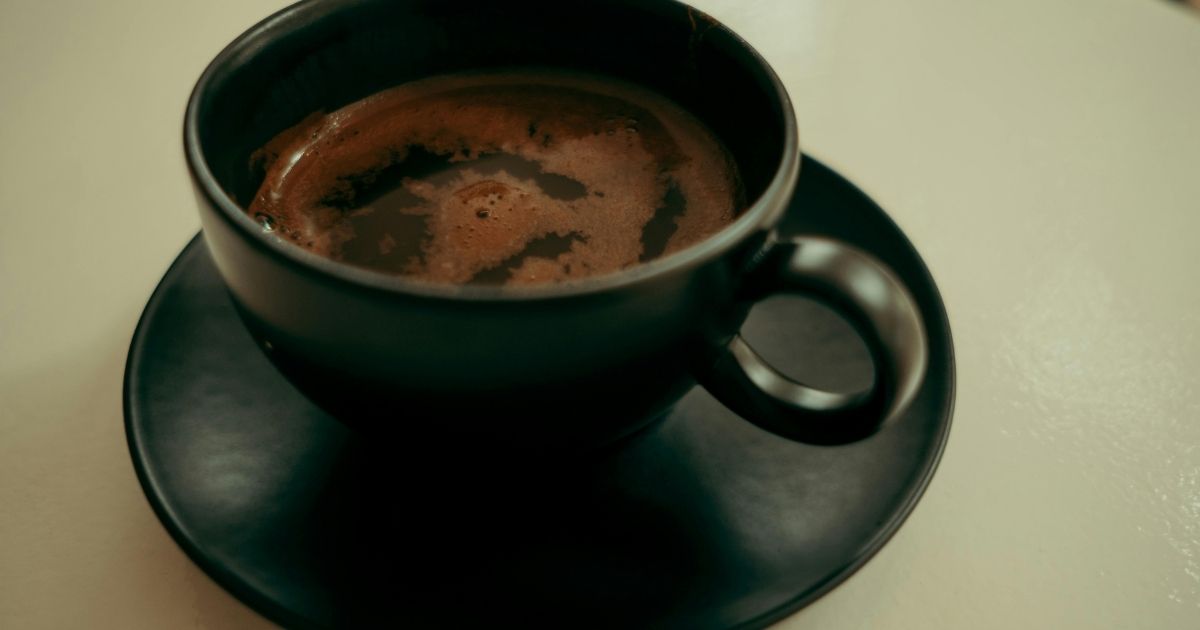
The short answer: black coffee does not break a fast. A cup of black coffee has 2–5 calories — well below the ~50-calorie threshold that most fasting experts and researchers consider significant enough to trigger a meaningful metabolic response. Medical consensus supports 1–3 cups of black coffee during a fasting window without impairing the benefits of fasting.
The longer answer involves what you add to your coffee, because that's where most people accidentally break their fast. A splash of oat milk, a pump of syrup, or a Starbucks Vanilla Sweet Cream Cold Brew will break your fast — even though they feel like "just coffee."
What Breaks a Fast (And What Doesn't)
| Addition | Approx. Calories | Breaks a Fast? | Why |
|---|---|---|---|
| Nothing (black coffee) | 2–5 | Safe | Below metabolic response threshold |
| Cinnamon | 0 | Safe | Zero calories, may aid blood sugar regulation |
| Stevia / Monk Fruit | 0 | Debated | Zero calories, but some studies suggest artificial sweeteners may trigger insulin in some people |
| Tiny splash almond milk (~1 tbsp) | ~3–5 | Probably Safe | Below threshold, but technically adds macronutrients |
| MCT oil (1 tsp) | ~40 | Depends on Goal | Contains fat calories but no protein/carbs; won't spike insulin but technically breaks a "pure" fast |
| Sugar (1 tsp) | ~16 | Breaks Fast | Triggers insulin response, halts fat oxidation |
| Milk (2 tbsp / splash) | ~15–20 | Breaks Fast | Contains protein + lactose (sugar) → insulin response |
| Oat milk (2 tbsp) | ~15 | Breaks Fast | Higher carbs than dairy → insulin response |
| Syrup pump (Starbucks) | ~20 | Breaks Fast | Pure sugar (5g per pump) |
| Cream (heavy, 1 tbsp) | ~50 | Breaks Fast | Exceeds calorie threshold |
| Flavored creamer | ~35 | Breaks Fast | Sugar + fat + calories |
The practical rule: if it has calories from sugar or protein, it breaks your fast. Pure fat (like a tiny amount of MCT oil or butter in "bulletproof coffee") is debated — it won't spike insulin, but it provides calories that technically end the fasted metabolic state. Strict fasters avoid everything except black coffee, plain tea, and water. More flexible approaches allow up to ~50 calories during the fasting window.
Why Coffee Actually Helps Fasting
Coffee isn't just "allowed" during fasting — it may actively enhance the benefits:
Appetite suppression. Caffeine reduces hunger hormones (ghrelin) and increases satiety hormones (leptin and peptide YY). For most people, a cup of black coffee at 8 AM makes it significantly easier to fast until noon or 1 PM. This is probably the single biggest practical benefit — coffee makes the fasting window feel shorter.
Enhanced autophagy. Some research suggests that both caffeine and the polyphenols in coffee may enhance autophagy — the cellular "cleanup" process that's one of the primary benefits of fasting. This is still being studied, but the mechanism is plausible: caffeine activates AMPK, a key autophagy-signaling pathway.
Increased fat oxidation. During a fast, your body shifts to burning stored fat for energy. Caffeine increases this fat oxidation rate by 10–29%, making your fasting window more metabolically productive. Essentially, coffee helps you burn more fat during the hours you're already fasting.
Metabolic boost. Caffeine increases resting metabolic rate by 3–11%. During a fast, when your body might down-regulate metabolism slightly, coffee helps maintain a higher baseline burn rate.
Fasting-Safe Orders at Every Chain
At Starbucks
What to avoid at Starbucks while fasting: Anything with milk, cream, syrup, cold foam, or whipped cream. Refreshers break a fast (90+ cal, 20g+ sugar). Lattes break a fast (130+ cal from milk). Even a "splash" of milk adds 15–20 calories of protein and sugar that trigger insulin. For zero-calorie Starbucks options, see our healthy drinks guide.
At Dunkin'
Order a medium hot or iced coffee black, no sugar, no Swirl. Dunkin' iced coffee comes sweetened by default — you must specify "unsweetened." Add Flavor Shots (not Swirls) if you want flavor without breaking your fast — Shots are sugar-free at ~5 calories. Avoid Swirls (150+ cal, 35g+ sugar). Cold brew black is also fasting-safe. See our Shots vs Swirls guide. See our Dunkin' guide.
At Dutch Bros
Order a cold brew or Americano, black, with no milk, no syrup. Be explicit about no half-and-half — Dutch Bros defaults to breve (half-and-half) on most drinks, which adds 100+ calories. A black cold brew or Americano is fasting-safe. See our Dutch Bros guide.
The Complete Fasting Cheat Sheet
| Drink | Calories | Caffeine | Fasting Status |
|---|---|---|---|
| Black coffee (any chain) | 2–5 | 95–310mg | Safe |
| Cold brew (black) | 5 | 205–260mg | Safe |
| Nitro Cold Brew | 5 | 280mg | Safe |
| Americano | 10 | 225mg | Safe |
| Espresso (doppio) | 10 | 150mg | Safe |
| Unsweetened tea (any) | 0 | 0–50mg | Safe |
| Iced coffee + Dunkin' Flavor Shot | ~10 | ~297mg | Likely Safe |
| Any latte (any chain) | 100–250 | varies | Breaks Fast |
| Any Refresher | 90–190 | 45mg | Breaks Fast |
| Any Frappuccino | 300–500 | varies | Breaks Fast |
| Any drink with cream/milk/syrup | 50+ | varies | Breaks Fast |
Timing: When to Drink Coffee During Your Fast
Most intermittent fasting protocols use a 16:8 window (fast 16 hours, eat during 8 hours) or 18:6. For a typical schedule — stop eating at 8 PM, start eating at noon the next day — here's the optimal coffee timing:
6–7 AM (waking): Wait 60–90 minutes after waking before your first coffee. Cortisol (your natural alertness hormone) peaks in the first hour after waking — adding caffeine on top provides diminishing returns and can increase jitteriness. Drinking water first also helps with dehydration after sleep.
8–9 AM: First black coffee. This is when caffeine delivers maximum benefit — cortisol is declining, adenosine (sleepiness chemical) is building, and caffeine counteracts both. The appetite suppression also helps bridge the gap until your eating window opens.
10–11 AM: Second coffee if needed. By this point, you're in the final stretch before your eating window. Another cup can suppress the hunger that typically peaks 1–2 hours before your first meal.
After noon (eating window): You can now add milk, syrup, cream — anything you want. Your fast is complete. For caffeine timing relative to sleep, see our caffeine cutoff guide.
Common Mistakes
Ordering "iced coffee" at Starbucks without saying "unsweetened." Starbucks adds Classic Syrup (liquid sugar) to iced coffee by default. Always say "unsweetened" or you'll break your fast without realizing it.
Adding oat milk and thinking it's fine. Oat milk has more carbohydrates (7g per cup) than dairy milk (5g per cup). Even a small splash adds enough sugar to trigger an insulin response. During your fasting window, it's black or nothing.
Drinking too much coffee on an empty stomach. Caffeine increases stomach acid production. On an empty stomach, this can cause nausea, acid reflux, and anxiety — especially in caffeine-sensitive individuals. Limit to 1–3 cups during the fast. If you experience discomfort, switch to cold brew (67% less acid) or wait until your eating window to drink coffee.
Ignoring total daily caffeine. If you drink 2 cups during your fast and 2 more during your eating window, you're at ~400mg — the FDA's recommended daily maximum. Track your total. Sipory tracks daily caffeine intake across all your drinks and enforces your personal cutoff based on your bedtime. Free to download.
For more on the caffeine-sleep relationship, see our caffeine chart. For the healthiest Starbucks options (during and after your fast), see our healthy drinks guide.
Frequently Asked Questions
Does coffee break a fast?
No — black coffee (2–5 cal) does not break a fast. Adding milk, sugar, syrups, or cream WILL break a fast. The ~50 calorie threshold is the commonly cited limit.
Can I add anything to my coffee while fasting?
Strict: nothing. Most protocols allow cinnamon (0 cal). Debated: stevia, tiny splash of almond milk (~3 cal), MCT oil. Definitely breaks fast: any milk, cream, sugar, syrup, or flavored creamer.
Does caffeine help or hurt fasting?
Helps: suppresses appetite, may enhance autophagy, increases fat oxidation (10–29%), boosts metabolic rate. Can hurt if it causes empty-stomach discomfort — switch to cold brew (67% less acid).
What can I order at Starbucks while fasting?
Cold Brew black (5 cal), Nitro Cold Brew (5 cal), Americano (10 cal), Brewed Coffee black (5 cal), Iced Coffee unsweetened (5 cal), unsweetened tea (0 cal). Avoid everything with milk, syrup, or cream.